Your First Korean Dermatology Visit: What to Expect & How to Prepare
Planning your first Korean dermatology visit can feel overwhelming, but it does not have to be. In 2024, over 1.17 million international patients visited Korea for medical services, and dermatology clinics accounted for a staggering 56.6% of all foreign patient visits — a 194.9% increase from the previous year. Whether you are chasing that coveted glass skin, treating stubborn acne scars, or exploring anti-aging procedures, Korean dermatology clinics offer world-class treatments at a fraction of what you would pay back home. This guide walks you through every step of the process so you can arrive confident and leave glowing.
Before Your Visit — Preparation Checklist
A little preparation goes a long way toward a smooth clinic experience. Here is what to gather before you leave home.
Documents to Bring
- Passport — Required for registration at every clinic. Bring the original, not a photocopy.
- Medical records (in English) — Summaries of past skin treatments, allergies, chronic conditions, or current prescriptions. Many clinics accept PDF copies on your phone.
- Insurance documentation — If you have travel medical insurance or international health coverage, bring your policy number and a copy of the certificate.
- Emergency contact information — A local Korean phone number or your hotel's address and phone number.
- List of current medications — Written in English with generic (not just brand) names so the dermatologist can cross-check for interactions.
Do Your Research
- Identify your skin concerns in advance. Write down exactly what you want to address — acne, hyperpigmentation, wrinkles, pores — so the consultation is focused and efficient.
- Set a realistic budget. Korean dermatology is affordable, but costs vary by clinic, location, and treatment type. Having a number in mind helps the doctor recommend options that fit.
- Check clinic hours. Many Gangnam-area clinics operate from 10:30 AM to 9:00 PM and stay open on weekends, but hours vary. Confirm before showing up.
How to Book a Korean Dermatology Appointment
There are several ways to secure your appointment, ranging from fully digital to walk-in.
Online Booking Platforms
- Gangnam Unni (강남언니) — Korea's most popular aesthetics app. Available in Korean, English, Chinese, and Japanese. You can browse clinics, compare prices, read reviews, and book directly.
- Iipuda (이뿌다) — Submit your skin concerns, desired treatments, and budget, then receive price quotes from 3 to 5 matched clinics. Interpreter matching is also available.
- MediRound — A medical tourism agency offering multilingual reservation call centers and professional medical interpreters across 8 specialties, including dermatology.
Direct Contact
- Clinic websites — Most foreigner-friendly clinics in Seoul have English-language pages with online inquiry forms or KakaoTalk consultation links.
- Phone or KakaoTalk — Many clinics respond to English messages on KakaoTalk within a few hours during business hours.
Walk-Ins
- Smaller neighborhood clinics (의원, uiwon) generally accept walk-in patients. Wait times are usually under 30 minutes during off-peak hours (early afternoon on weekdays).
- Larger hospitals and university medical centers typically require advance appointments, especially for specialized departments.
Tip: When booking, provide your passport details, local accommodation address, and whether you need interpretation assistance. This information helps the clinic prepare everything ahead of time.
What Happens During Your First Visit
Here is a step-by-step breakdown of a typical first Korean dermatology visit, from the moment you walk through the door.
Step 1: Registration and Check-In
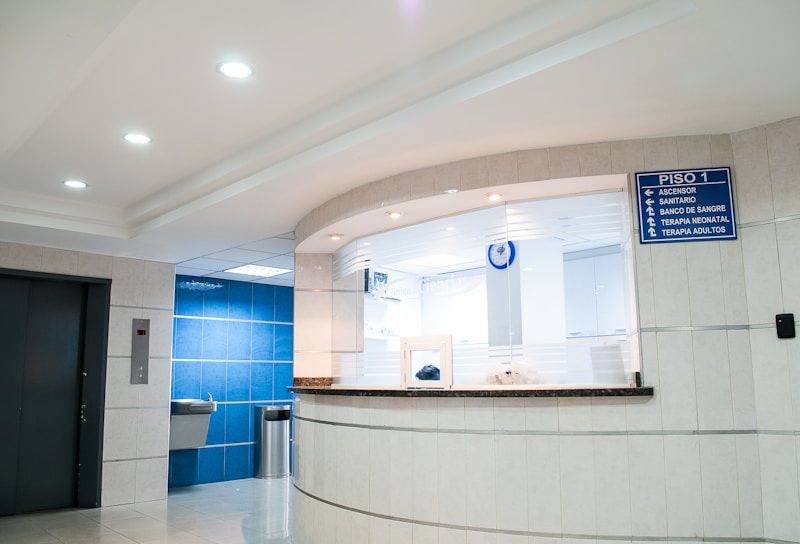
At the front desk, present your passport and fill out a brief intake form. Most foreigner-friendly clinics provide English forms. You will be asked about your medical history, current medications, allergies, and skin concerns. Some clinics use tablet-based forms for faster processing.
Step 2: Skin Analysis
Many Korean dermatology clinics use advanced skin analysis devices before your consultation. A technician may photograph your face under different lighting conditions and use diagnostic tools that measure moisture levels, pore size, pigmentation depth, and sebum production. This data gives the dermatologist a precise baseline to work with.
Step 3: Doctor Consultation
You will meet with the dermatologist (피부과 전문의, pibu-gwa jeonmun-ui) for a one-on-one consultation. The doctor will review your skin analysis results, examine your skin, discuss your goals, and recommend a treatment plan. Consultations usually last 10 to 20 minutes. If the clinic does not have English-speaking staff, a coordinator or interpreter will be present.
Step 4: Treatment
If you decide to proceed, treatment often happens the same day. Whether it is a laser session, chemical peel, skin booster injection, or a combination package, the medical team will explain each step, apply numbing cream if needed (usually 20 to 30 minutes to take effect), and perform the procedure.
Step 5: Post-Treatment Care Briefing
After your treatment, the staff will walk you through aftercare instructions — what products to use, what to avoid (direct sunlight, alcohol, saunas), and when to come back for follow-up sessions if needed. Many clinics provide a printed English aftercare sheet and complimentary recovery products like soothing masks or sunscreen samples.
Step 6: Payment and Documentation
Head to the payment counter to settle your bill. Request an itemized receipt in English (영문 진료비 세부내역서) — this is important for insurance claims and tax refund processing. You can also ask for an English medical certificate (영문 진단서) if your insurance requires it.
Essential Korean Phrases for Your Clinic Visit
Even though many Seoul clinics have English-speaking staff, knowing a few Korean phrases shows respect and can smooth the experience. Here are the most useful ones:
| Korean (한국어) | Pronunciation | English |
|---|---|---|
| 예약했습니다 | ye-yak-haet-seum-ni-da | I have a reservation |
| 피부과 진료 받으러 왔어요 | pi-bu-gwa jil-lyo ba-deu-reo wa-sseo-yo | I'm here for a dermatology appointment |
| 영어 되시나요? | yeong-eo doe-si-na-yo? | Do you speak English? |
| 피부 상담 받고 싶어요 | pi-bu sang-dam bat-go si-peo-yo | I'd like a skin consultation |
| 여기가 아파요 | yeo-gi-ga a-pa-yo | It hurts here |
| 알레르기가 있어요 | al-le-reu-gi-ga i-sseo-yo | I have allergies |
| 영수증 주세요 | yeong-su-jeung ju-se-yo | Please give me a receipt |
| 영문 진단서 발급 가능한가요? | yeong-mun jin-dan-seo bal-geup ga-neung-han-ga-yo? | Can I get a medical certificate in English? |
| 다음 예약은 언제인가요? | da-eum ye-ya-geun eon-je-in-ga-yo? | When is my next appointment? |
| 감사합니다 | gam-sa-ham-ni-da | Thank you |
Payment Methods & Insurance
Accepted Payment Methods
Korean dermatology clinics are well-equipped for international patients:
- Credit and debit cards — Visa, Mastercard, and UnionPay are widely accepted. American Express acceptance is less consistent, so bring an alternative.
- Cash (Korean Won) — Always accepted. ATMs at convenience stores (CU, GS25, 7-Eleven) dispense won from foreign cards.
- Mobile payment — Alipay and WeChat Pay are accepted at many clinics catering to international tourists. Apple Pay is gaining adoption but is not yet universal.
Insurance Considerations
- Most cosmetic and aesthetic dermatology procedures are not covered by Korean national health insurance or typical travel insurance policies. You will pay out of pocket.
- If you are visiting for a medical dermatology concern (eczema, severe acne, skin disease), some international insurance plans may provide partial coverage. Contact your insurer before traveling.
- U.S. Medicare and Medicaid do not cover overseas medical care. If you rely on these, consider purchasing a short-term international medical insurance policy that includes medical evacuation coverage.
VAT Refund for Foreign Patients
Here is a money-saving tip many visitors miss: foreign patients who pay for cosmetic medical procedures in Korea can claim a VAT (Value Added Tax) refund at the airport before departure. In 2024, over 1.01 million VAT refund claims were processed for cosmetic medical services, totaling approximately 95.5 billion won ($73 million USD). Ask your clinic for a tax refund receipt at the time of payment.
After Your Treatment — Recovery Tips
Your experience does not end when you leave the clinic. Follow these guidelines for the best results:
- Avoid direct sunlight for at least 1 to 2 weeks. Apply SPF 50+ sunscreen every 2 hours when outdoors, even on cloudy days. Korean pharmacies carry excellent options — look for brands like Isntree, Beauty of Joseon, or Round Lab.
- Skip alcohol and saunas (찜질방, jjim-jil-bang) for 48 to 72 hours. Heat and alcohol increase blood flow and can worsen swelling or redness.
- Follow the prescribed skincare routine. Your clinic will likely recommend gentle, fragrance-free products. Korean pharmacies (약국, yak-guk) near dermatology districts stock medical-grade skincare.
- Schedule treatments early in your trip. If you need a follow-up session or experience any reaction, having extra days in Seoul gives you time to return to the clinic. Laser treatments for pigmentation spots, for example, sometimes require a second session after the skin heals.
- Keep your English medical documents. Your itemized bill, diagnosis, and treatment records are essential for insurance claims and for informing your regular dermatologist back home.
Frequently Asked Questions
Q: Do I need to speak Korean to visit a dermatology clinic in Seoul? A: No. Most clinics in popular areas like Gangnam, Apgujeong, and Myeongdong have English-speaking coordinators or offer interpreter services. You can also book through medical tourism agencies like MediRound or Iipuda that provide multilingual support throughout your visit.
Q: How much does a typical first consultation cost? A: Initial consultations at Korean dermatology clinics range from $15 to $40 (approximately ₩20,000 to ₩50,000). Some clinics waive the consultation fee if you proceed with a treatment on the same day. Prices as of February 2026; contact clinics directly for current rates.
Q: Can I get treatment on the same day as my consultation? A: Yes, in most cases. Korean dermatology clinics are known for their efficiency. Unless your condition requires lab work or further evaluation, you can typically receive treatment immediately after your consultation.
Q: Is it safe to fly after dermatology treatments? A: For most non-invasive procedures like laser toning, skin boosters, or chemical peels, flying within 24 to 48 hours is generally safe. However, discuss your travel timeline with your dermatologist during the consultation so they can adjust the treatment plan if necessary.
Q: Do Korean clinics accept international health insurance? A: Most aesthetic treatments are paid out of pocket. However, clinics will provide English-language itemized receipts and medical certificates so you can file claims with your insurer at home. For medical (non-cosmetic) dermatology concerns, some international policies may cover partial costs — check with your provider before your trip.
Start Your Korean Skincare Journey
Your first Korean dermatology visit is the beginning of a transformative skincare experience. With world-leading technology, highly trained specialists, and prices that are 40 to 60% lower than in the U.S. or Europe, it is easy to see why over a million international patients choose Korean clinics every year. Prepare your documents, book your appointment, and get ready to discover what Korean dermatology can do for your skin.
Ready to take the first step? Browse our clinic guides to find the perfect dermatology clinic in Seoul, or check our treatment guides to learn about specific procedures before you book.
Last Updated: February 23, 2026 Reading Time: 7 minutes