Acne Treatment in Korea: From Mild Breakouts to Severe Cystic Acne
Struggling with acne that topical creams and over-the-counter products simply cannot fix? You are not alone. Millions of international visitors travel to South Korea each year specifically for acne treatment in Korea, where advanced dermatological procedures, competitive pricing, and world-class expertise come together to deliver results that are difficult to achieve elsewhere. Whether you are dealing with occasional breakouts or persistent cystic acne, Korean dermatology clinics offer a comprehensive range of treatments that target acne at its root.
Medical Disclaimer: This article provides general information about acne treatments available in South Korea. It is not intended as medical advice. Always consult with a qualified healthcare professional before undergoing any medical or cosmetic procedure. Individual results may vary, and treatments should be tailored to your specific skin condition.
Why Korea for Acne Treatment?
South Korea is home to one of the most advanced dermatology industries in the world. There are several compelling reasons why acne sufferers from around the globe choose Korean clinics:
- Advanced technology: Korean clinics adopt cutting-edge laser and light-based technologies often years before they become available in Western countries. Devices like the Agnes laser and advanced PDT systems were pioneered and refined in Korean dermatology practices.
- Specialized expertise: Korean dermatologists see an enormous volume of acne patients daily, giving them unmatched clinical experience in treating all acne types across diverse skin tones.
- Affordable pricing: Acne treatments in Seoul typically cost 40-70% less than equivalent procedures in the United States, Canada, or Australia.
- Holistic approach: Rather than relying on a single method, Korean clinics combine extraction, laser therapy, chemical peels, medication, and skincare into a customized multi-step treatment plan.
- Quick turnaround: Many treatments can be completed in a single visit or within a short treatment course, making Korea ideal for medical tourists on a limited schedule.
Types of Acne Treatments Available in Korea
Korean dermatology clinics offer a wide arsenal of acne treatments. Here is what you need to know about each option.
1. Professional Extraction (압출)
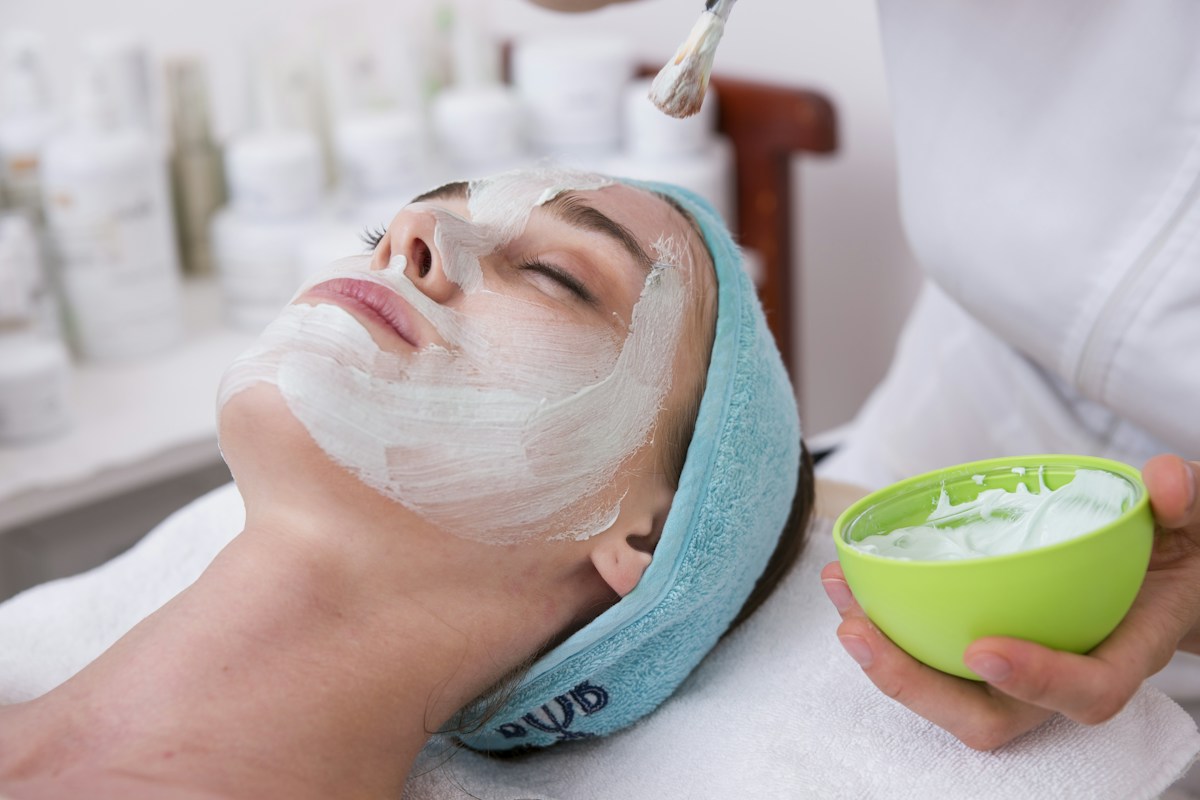
Professional extraction is the foundation of Korean acne care. Unlike at-home methods, trained estheticians and dermatologists use sterile tools and precise techniques to remove comedones, blackheads, and inflamed lesions without causing scarring.
- Best for: Blackheads, whiteheads, mild to moderate inflammatory acne
- Procedure: Steaming, cleansing, manual extraction using medical-grade tools, followed by calming masks
- Session time: 30-60 minutes
- Recovery: Mild redness for 1-2 days
Many clinics combine extraction with anti-inflammatory injections (염증주사) at around ₩8,000-₩16,000 ($6-$12) per lesion to quickly reduce swelling and prevent scarring.
2. PDT (Photodynamic Therapy) Laser
PDT is one of the most popular and effective acne treatments in Korea. A photosensitive solution (typically ALA-based) is applied to the skin, then activated with specific wavelengths of light to selectively destroy acne-causing bacteria and overactive sebaceous glands.
- Best for: Moderate to severe acne, oily skin, recurring breakouts
- Procedure: Photosensitizer application (15-30 min), followed by light activation (15-20 min)
- Session time: 45-60 minutes
- Recovery: Peeling and redness for 3-7 days
- Results: Significant reduction in active acne and oil production after 3-5 sessions
According to Korean medical data aggregated across 22 dermatology clinics, the average price for a PDT session is approximately ₩234,000 ($180), though prices range from as low as ₩15,000 ($12) for small treatment areas to ₩590,000 ($454) for full-face premium sessions.
3. Agnes Laser
The Agnes laser is a revolutionary Korean-developed treatment that permanently destroys individual sebaceous glands using radiofrequency energy delivered through micro-insulated needles. It targets the root cause of acne without damaging surrounding tissue.
- Best for: Recurring acne in specific zones, cystic acne, stubborn breakouts that resist other treatments
- Procedure: Micro-insulated needles deliver RF energy directly into problematic sebaceous glands
- Session time: 30-60 minutes depending on treatment area
- Recovery: Swelling for 2-3 days, full recovery within a week
- Results: Permanent reduction of acne in treated areas after 2-3 sessions
4. Chemical Peels (필링)
Chemical peels are a staple in Korean acne treatment protocols. Korean clinics use carefully formulated peels that exfoliate dead skin, unclog pores, and accelerate cell turnover.
Common peel types include:
- Salicylic acid peels: Ideal for oily, acne-prone skin with blackheads and whiteheads
- Glycolic acid peels: Improve texture and reduce post-inflammatory hyperpigmentation
- Jessner's peels: Medium-depth peels for stubborn acne and early scarring
- TCA peels: Deeper peels for acne scars and severe textural irregularities
- Aqua Peels: Hydrating extraction-based peels popular in Korean clinics, often combined with acne care programs
5. LED Light Therapy
LED therapy uses specific wavelengths to target acne bacteria and reduce inflammation without any downtime:
- Blue light (415nm): Kills Propionibacterium acnes bacteria on the skin surface
- Red light (630nm): Reduces inflammation and promotes wound healing
- Near-infrared light: Penetrates deeper layers to calm cystic inflammation
LED therapy is commonly used as an add-on to other treatments. Most Korean clinics include a complimentary LED session after extraction or laser procedures to enhance results and speed up recovery.
6. Oral and Topical Medication
Korean dermatologists prescribe effective acne medications at a fraction of international costs:
- Isotretinoin (known in Korea as 이소티논, 로아큐탄, 제로큐탄): The gold standard for severe cystic acne, requiring monthly blood monitoring
- Oral antibiotics (Minocycline/미노씬): For moderate inflammatory acne on a short-term basis
- Topical retinoids (Stieva-A Cream/스티바A크림): For long-term maintenance and prevention
- Topical antibiotics and benzoyl peroxide combinations: For mild to moderate cases
Monthly prescriptions can start as low as ₩4,000 ($3) for basic oral medications, making Korean acne prescriptions remarkably affordable compared to Western countries where the same drugs can cost hundreds of dollars.
Korean Acne Treatment Process: What to Expect
Here is a step-by-step overview of what happens when you visit a Korean dermatology clinic for acne:
- Consultation (상담): A dermatologist examines your skin, often using a digital skin analysis device. You will discuss your acne history, current skincare routine, and treatment goals.
- Custom treatment plan: The doctor creates a personalized protocol combining multiple approaches based on your acne type and severity.
- Core treatment session: This typically includes professional extraction, followed by laser or light therapy, and finishing with a calming mask or LED session.
- Prescription: Oral or topical medications are prescribed as needed.
- Follow-up schedule: Most treatment plans involve 5-10 sessions spaced 1-2 weeks apart for optimal results.
Many clinics offer package deals. For example, a 12-session package (5 laser sessions + 7 skincare sessions) averages around ₩1,300,000 ($1,000), offering significant savings over individual sessions.
Acne Treatment Prices in Korea
| Treatment | Price (KRW) | Price (USD) | Sessions Needed |
|---|---|---|---|
| Basic Extraction + Care | ₩50,000-₩70,000 | $38-$54 | Weekly, 10+ sessions |
| Aquapeel + Acne Care (5 sessions) | ₩290,000 | $223 | 5 sessions |
| Anti-Inflammatory Injection (per lesion) | ₩8,000-₩16,000 | $6-$12 | As needed |
| PDT Laser (per session) | ₩150,000-₩590,000 | $115-$454 | 3-5 sessions |
| Agnes Laser (per session) | ₩90,000-₩600,000 | $70-$460 | 2-3 sessions |
| Chemical Peel (per session) | ₩70,000-₩200,000 | $54-$154 | 3-6 sessions |
| LED Therapy (per session) | ₩30,000-₩80,000 | $23-$62 | 10+ sessions |
| Comprehensive Package (12 sessions) | ₩1,300,000 | $1,000 | 5 laser + 7 care |
| Fraxel Laser for Acne Scars (per session) | ₩200,000-₩500,000 | $154-$385 | 3-5 sessions |
| Isotretinoin (monthly prescription) | ₩30,000-₩80,000 | $23-$62 | 4-6 months |
Prices as of February 2026. Exchange rate: ₩1,300 = $1 USD. Actual costs vary by clinic, treatment area, and skin condition. Contact clinics directly for current pricing and consultation fees.
Recommended Acne Skincare Products from Korea
While undergoing professional treatment, Korean dermatologists typically recommend a complementary at-home routine. These widely recommended K-beauty products work well for acne-prone skin:
- COSRX BHA Blackhead Power Liquid: A gentle salicylic acid exfoliant that keeps pores clear between clinic visits
- Some By Mi AHA BHA PHA 30 Days Miracle Toner: Multi-acid toner for daily acne prevention
- Innisfree Bija Trouble Skin Toner: Calming toner with natural antibacterial properties from torreya seed oil
- Dr. G Red Blemish Clear Soothing Cream: Lightweight moisturizer for irritated, post-treatment skin
- Purito Centella Green Level Unscented Sun SPF50+: Non-comedogenic sunscreen that is essential during and after laser treatments
Many clinics also sell professional-grade skincare products specifically formulated to complement the treatments you receive.
Best Clinics and Areas for Acne Treatment in Seoul
When choosing an acne treatment clinic in Seoul, prioritize these factors:
- Board-certified dermatologists (피부과 전문의) on staff, not just general practitioners
- English-speaking consultants or professional translation services
- Transparent pricing published online or provided clearly at consultation
- Strong reviews on Korean platforms like Gangnam Unni (강남언니), Naver, and Modoodoc (모두닥)
- Customized treatment plans rather than one-size-fits-all protocols
Top neighborhoods for dermatology clinics:
- Gangnam (강남): The highest concentration of premium dermatology clinics in Seoul with the latest equipment and competitive pricing due to high competition
- Apgujeong (압구정): Upscale clinics specializing in cosmetic dermatology, popular with international patients
- Sinchon (신촌): Budget-friendly clinics popular with university students, offering affordable acne programs
- Myeongdong (명동): Tourist-friendly clinics with multilingual staff and convenient access
Frequently Asked Questions
Q: How many sessions do I need to see results? A: Most patients notice significant improvement after 3-5 sessions for laser-based treatments. Extraction and skincare management programs typically require 10 or more weekly sessions. Severe cystic acne treated with isotretinoin usually requires 4-6 months of medication.
Q: Can I get acne treatment in Korea as a tourist? A: Yes. Korean dermatology clinics welcome international patients for outpatient treatments. No special medical visa is required. Many clinics have English-speaking staff or offer interpretation services. You can book consultations online before arriving.
Q: Is there downtime after acne treatments? A: Downtime varies by treatment. Basic extraction may cause mild redness for 1-2 days. PDT laser can result in peeling for 3-7 days. Agnes laser may cause swelling for 2-3 days. LED therapy and chemical peels generally have minimal to zero downtime.
Q: Will my acne come back after treatment? A: Treatments like Agnes laser can provide permanent results for treated sebaceous glands. However, maintaining clear skin requires a proper skincare routine and possibly periodic follow-up sessions. Isotretinoin also offers long-lasting remission for the majority of patients.
Q: How do Korean acne treatments compare to Western approaches? A: Korean dermatology tends to combine multiple modalities (extraction, laser, peels, medication, and skincare) in an integrated treatment plan, while Western approaches often rely more heavily on a single method such as medication alone. Korean clinics also schedule more frequent, shorter sessions for cumulative results, and prices are typically 40-70% lower than comparable treatments in the US or Europe.
Conclusion
Acne treatment in Korea offers a unique combination of cutting-edge technology, expert dermatologists, and remarkably affordable pricing that makes it one of the best destinations in the world for anyone struggling with persistent breakouts or acne scars. From professional extraction and PDT laser therapy to the revolutionary Agnes laser and comprehensive medication protocols, Korean dermatology clinics provide proven solutions for every type and severity of acne. With treatments costing a fraction of what you would pay in the US or Europe and a medical tourism infrastructure designed to serve international patients, a trip to Seoul could be the most effective and cost-efficient step you take toward clearer, healthier skin.
Ready to start your journey to clear skin in Korea? Research clinics in your preferred Seoul neighborhood, book consultations at 2-3 clinics to compare recommendations, and plan your trip at least 2 weeks in advance to secure your preferred appointment times.
⚠️ Medical Disclaimer: This article provides general information about acne treatments available in South Korea. It is not intended as medical advice. Always consult with a qualified healthcare professional before undergoing any medical or cosmetic procedure. Results vary based on individual skin conditions and treatment compliance. Prices mentioned are estimates and may change. Some treatments may not be suitable for pregnant women or individuals with certain medical conditions.
Last Updated: February 13, 2026 Reading Time: 8 minutes