Chemical Peel in Korea: Types, Prices & Best Clinics Guide 2025
Chemical peels have become one of the most sought-after treatments in Korea's world-renowned dermatology scene. Whether you're battling stubborn acne, hyperpigmentation, or simply want to achieve that coveted "glass skin" look, Korean dermatologists offer some of the most advanced and affordable chemical peel treatments available globally.
This comprehensive guide covers everything international visitors need to know about getting chemical peels in Korea, from understanding different peel types to navigating prices and choosing the right clinic.
What Are Chemical Peels?
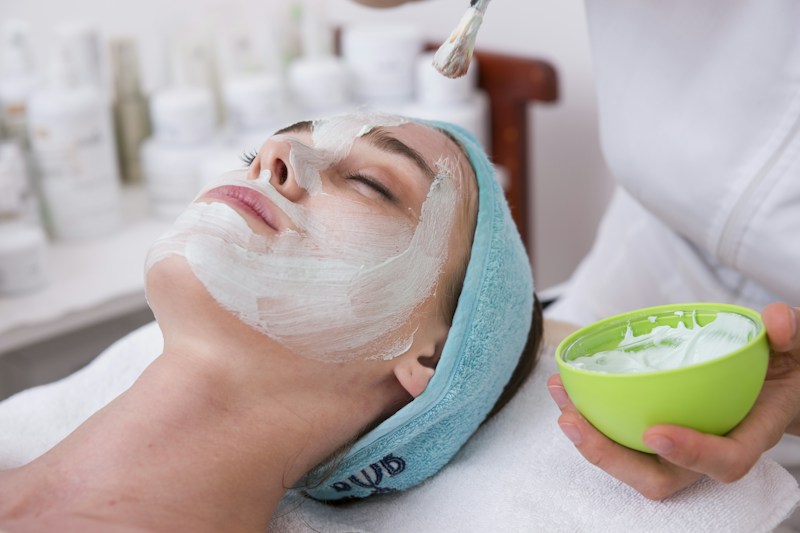
Chemical peels are controlled skin exfoliation treatments that use various acid solutions to remove damaged outer layers of skin. The procedure promotes cellular turnover, revealing fresher, smoother, and more youthful-looking skin underneath.
Korean dermatologists have perfected chemical peel techniques, often combining multiple acids and customizing concentrations based on individual skin types and concerns. Unlike many Western clinics that offer standardized treatments, Korean clinics typically tailor each peel to your specific needs.
Types of Chemical Peels in Korea
1. Glycolic Acid (GA) Peeling
What It Is: Glycolic acid is the most popular alpha-hydroxy acid (AHA) derived from sugarcane. Its small molecular size allows for deep penetration into the skin, making it one of the most effective acids for resurfacing.
Concentration Range: 30-70% (in professional settings)
Best For:
- Fine lines and wrinkles
- Uneven skin texture
- Mild hyperpigmentation
- Dull, aging skin
- Large pores
- Rough skin texture
Treatment Protocol: Korean clinics typically recommend 5-10 sessions at 1-2 week intervals for optimal results. Each session builds upon the previous one, gradually improving skin quality.
Price Range: ₩20,000-50,000 ($15-38) per session
GA peeling is considered a superficial peel, making it ideal for first-time peel users or those with sensitive skin. The treatment stimulates collagen production while gently exfoliating dead skin cells, revealing brighter and smoother skin underneath.
2. Salicylic Acid Peeling (BHA)
What It Is: A beta-hydroxy acid (BHA) that is oil-soluble, allowing it to penetrate deep into pores. This unique property makes it especially effective for treating oily and acne-prone skin.
Concentration Range: 20-30%
Best For:
- Acne-prone skin
- Oily skin
- Blackheads and whiteheads
- Enlarged pores
- Post-inflammatory hyperpigmentation
- Sebum control
Treatment Protocol: 3-6 sessions spaced 2-4 weeks apart
Price Range: ₩30,000-70,000 ($23-54) per session
Salicylic acid peels are particularly popular among Korean teenagers and young adults dealing with acne. The acid's anti-inflammatory properties make it gentler on inflamed skin compared to other peels, and its ability to penetrate oil-filled pores makes it uniquely suited for treating acne at its source.
3. TCA (Trichloroacetic Acid) Peeling
What It Is: A more aggressive peel that penetrates deeper into the skin layers. TCA peels are versatile and can be adjusted for various depths depending on the concentration used.
Concentration Range: 10-50% (higher concentrations for deeper peels)
Depth Classifications:
- 10-25%: Superficial to medium (targets epidermis and upper dermis)
- 25-35%: Medium depth (reaches papillary dermis)
- 35-50%: Medium-deep (reaches upper reticular dermis)
Best For:
- Deep wrinkles
- Severe sun damage
- Significant hyperpigmentation
- Acne scarring
- Melasma
- Skin laxity
Treatment Protocol:
- Low concentration (10-25%): Every 2-4 weeks for 3-5 sessions
- High concentration (35-50%): Single treatment or spaced 3-6 months apart
Price Range: ₩80,000-250,000 ($62-192) per session
TCA peels are classified as medium to deep peels, depending on concentration. Korean dermatologists often use a specialized technique called "CROSS" (Chemical Reconstruction of Skin Scars) for treating deep acne scars with high-concentration TCA applied precisely to individual scars.
4. Jessner's Peel
What It Is: A combination peel containing lactic acid (AHA), salicylic acid (BHA), and resorcinol. This synergistic formula minimizes the side effects of each individual component while maximizing overall effectiveness.
Composition:
- Lactic acid: 14%
- Salicylic acid: 14%
- Resorcinol: 14%
Best For:
- Acne
- Uneven pigmentation
- Sun damage
- Oily skin
- Combination concerns
- Pre-treatment for deeper peels
Treatment Protocol: 4-6 sessions at 2-3 week intervals
Price Range: ₩50,000-100,000 ($38-77) per session
The combination formula minimizes side effects while maximizing results, making it a popular choice in Korean clinics for patients with multiple skin concerns. Jessner's peels are also frequently used as a preparatory treatment before deeper TCA peels.
5. Lactic Acid Peeling
What It Is: The gentlest AHA, derived from milk, with larger molecules that penetrate more slowly and gently than glycolic acid.
Concentration Range: 30-50%
Best For:
- Sensitive skin
- Dry skin
- First-time peel users
- Mild pigmentation
- Skin hydration
- Mature skin
Treatment Protocol: 6-8 sessions every 2 weeks
Price Range: ₩25,000-60,000 ($19-46) per session
Lactic acid is known for its hydrating properties, making it ideal for those with dry or sensitive skin who still want the benefits of chemical exfoliation. It's also the safest option for darker skin tones with lower risk of post-inflammatory hyperpigmentation.
Innovative Korean Peel Treatments
Aladdin Peeling (FCR Peeling)
A Korean innovation combining lactic acid, glycolic acid, and salicylic acid at 64% concentration for rapid, deep penetration. This advanced formula reaches the basal layer of skin within 2 minutes, providing dramatic results with controlled recovery.
Key Features:
- Powerful combination of AHA and BHA acids
- Fast-acting formula
- Natural ingredients mixed with coral calcium
- Suitable for acne scars, texture issues, and pigmentation
Average Price: ₩144,480 ($111) Price Range: ₩10,000-363,000 ($8-279)
The wide price range reflects different clinic locations, practitioner experience, and whether the treatment is offered as a promotional event or at premium facilities.
Aqua Peel (아쿠아필)
A unique Korean treatment combining chemical and mechanical exfoliation using water pressure to deliver AHA and BHA solutions deep into pores while simultaneously removing debris.
Process:
- Cleansing and preparation
- Application of AHA/BHA solution
- Vacuum-assisted extraction of blackheads and debris
- Deep pore cleansing
- Hydrating serum infusion
Best For:
- Deep pore cleansing
- Blackhead removal
- Sebum control
- Demodex mites (skin mites)
- Oily skin maintenance
- Pre-event skin prep
Price Range: ₩50,000-120,000 ($38-92) per session
The aqua peel is particularly popular in Gangnam clinics as a gentle "maintenance" treatment between more aggressive peels. It provides immediate visible results with zero downtime, making it perfect for busy professionals and those seeking quick skin refreshment.
Chemical Peel Depth Classifications
Korean dermatologists categorize peels by penetration depth, which determines the intensity of results and recovery time:
Superficial Peels (Light Peels)
- Depth: Epidermis only (0.06mm)
- Agents: Low-concentration glycolic acid (30-50%), lactic acid, low salicylic acid
- Downtime: 1-3 days of mild flaking
- Best For: Maintenance, mild concerns, first-time users
- Frequency: Weekly to bi-weekly
- Sessions Needed: 4-8 for optimal results
Medium Peels
- Depth: Papillary dermis - upper layer of dermis (up to 0.45mm)
- Agents: High-concentration glycolic acid (50-70%), TCA (10-35%), Jessner's solution
- Downtime: 5-7 days of peeling and redness
- Best For: Moderate wrinkles, pigmentation, acne scars, sun damage
- Frequency: Monthly to bi-monthly
- Sessions Needed: 1-4 for optimal results
Deep Peels
- Depth: Reticular dermis - deeper layer (0.45mm+)
- Agents: High-concentration TCA (40-50%), phenol
- Downtime: 10-14 days of significant peeling and redness
- Best For: Severe sun damage, deep wrinkles, significant scarring
- Frequency: Usually one-time treatment
- Sessions Needed: Typically single treatment
Important Note: Deep peels are less commonly performed in Korea, as Korean dermatologists often prefer combining multiple superficial or medium peels with laser treatments for safer, more controlled results with lower risk of complications.
What to Expect During Your Chemical Peel
Pre-Treatment (2-4 weeks before)
Consultation:
- Skin analysis using specialized equipment (VISIA imaging common in Korean clinics)
- Assessment of skin type, concerns, and goals
- Discussion of peel type and depth
- Review of medical history and medications
Preparation:
- Discontinuation of retinoids, exfoliating products
- Pre-conditioning with lower-concentration acids (for medium/deep peels)
- Sun avoidance and SPF 50+ daily
- Antivirals if history of cold sores (for medium/deep peels)
During Treatment (15-45 minutes)
Step 1: Cleansing (5 minutes)
- Thorough removal of makeup, oils, and impurities
- Double cleansing technique common in Korean clinics
Step 2: Degreasing (2 minutes)
- Application of acetone or alcohol solution
- Ensures even acid penetration
- Removes any remaining oils
Step 3: Acid Application (5-15 minutes)
- Precise application with brush or cotton applicators
- Multiple layers may be applied
- Timing carefully monitored based on skin reaction
- Cooling fan often used for comfort
Step 4: Neutralization (if needed)
- Some acids self-neutralize
- Others require neutralizing solution
Step 5: Post-Treatment Care (5-10 minutes)
- Calming mask or cream application
- LED therapy (often included)
- Sunscreen application
Korean dermatologists are meticulous about even application and timing, often using specialized brushes and applicators for precise control.
Sensations During Treatment
Superficial Peels:
- Mild tingling or warmth
- Slight tightness
- Generally comfortable
Medium Peels:
- Burning or stinging sensation
- Tolerable discomfort
- Cooling fan helps
- Peaks at 2-5 minutes
Deep Peels:
- Significant burning
- Sedation or pain medication may be used
- Requires more monitoring
Post-Treatment Recovery
Days 1-3 (All Peel Types):
- Redness (mild to moderate)
- Tightness and dryness
- Possible mild swelling
- Skin may appear slightly darker
Days 3-7 (Visible Peeling):
- Superficial: Fine flaking, barely noticeable
- Medium: Sheet-like peeling, noticeable
- Deep: Thick peeling, significant shedding
Days 7-14 (Fresh Skin Revealed):
- Pink, new skin visible
- Continued improvement in texture
- Gradual reduction in redness
Weeks 2-8 (Continued Improvement):
- Collagen remodeling continues
- Full results become apparent
- Skin continues to improve
Korean clinics typically provide comprehensive aftercare kits including gentle cleansers, hydrating serums, barrier repair creams, and mineral sunscreen.
Pricing Guide: Chemical Peels in Korea (2025)
Korea offers exceptional value for chemical peel treatments compared to Western countries:
Single Session Pricing
| Peel Type | Price (₩) | Price ($) | Duration |
|---|---|---|---|
| Lactic Acid | ₩25,000-60,000 | $19-46 | 20-30 min |
| Glycolic Acid (GA) | ₩20,000-50,000 | $15-38 | 20-30 min |
| Salicylic Acid | ₩30,000-70,000 | $23-54 | 20-30 min |
| Jessner's Peel | ₩50,000-100,000 | $38-77 | 30-40 min |
| TCA (Low-Medium) | ₩80,000-150,000 | $62-115 | 30-45 min |
| TCA (Deep/CROSS) | ₩150,000-250,000 | $115-192 | 45-60 min |
| Aladdin/FCR Peeling | ₩10,000-363,000 | $8-279 | 30-40 min |
| Aqua Peel | ₩50,000-120,000 | $38-92 | 30-45 min |
Package Pricing (Common Discounts)
| Package Type | Sessions | Price (₩) | Price ($) | Savings |
|---|---|---|---|---|
| GA Basic Course | 5 sessions | ₩120,000-300,000 | $92-230 | 15-20% |
| Acne Program | 6-8 sessions | ₩300,000-600,000 | $230-462 | 20-25% |
| Brightening Program | 5 sessions + LED | ₩250,000-500,000 | $192-385 | 20% |
| Anti-Aging Course | 4 sessions + care | ₩350,000-700,000 | $269-538 | 15-20% |
Price Factors:
- Location: Gangnam clinics typically 20-30% more expensive than other areas
- Clinic Reputation: Famous dermatologists charge premium rates
- Combination Treatments: Bundling peels with lasers or other treatments
- Promotional Events: Many clinics offer first-time discounts or seasonal promotions
International Price Comparison
| Country | Basic Peel | Medium Peel | Savings vs Korea |
|---|---|---|---|
| Korea | $15-38 | $62-115 | — |
| USA | $150-300 | $400-800 | 70-85% |
| UK | £80-150 ($100-188) | £200-400 ($250-500) | 65-75% |
| Australia | AUD 150-300 ($100-200) | AUD 400-800 ($267-533) | 65-75% |
| Singapore | SGD 150-300 ($112-224) | SGD 400-700 ($299-523) | 60-70% |
| Japan | ¥15,000-30,000 ($100-200) | ¥40,000-80,000 ($267-533) | 60-70% |
Best Areas in Seoul for Chemical Peels
Gangnam District (강남구)
Characteristics:
- Premium clinics with latest technology
- English-speaking staff common
- Luxury facilities and amenities
- Celebrity-frequented establishments
Pros:
- Cutting-edge treatments and equipment
- High-quality service and attention
- International patient experience
- Easy access via Gangnam Station (Lines 2, Shinbundang)
Cons:
- 20-40% more expensive than other areas
- Can feel overwhelming for first-timers
- Potential for aggressive marketing
Best For: International visitors seeking premium experience with English support
Popular Clinic Clusters:
- Gangnam Station exits 10-11
- Apgujeong Rodeo Street
- Cheongdam-dong luxury district
Average Prices: ₩50,000-250,000 ($38-192) per session
Sinsa/Garosu-gil (신사동/가로수길)
Characteristics:
- Trendy neighborhood with boutique clinics
- Balance of quality and affordability
- Younger, fashion-forward clientele
Pros:
- Good value for quality
- Pleasant neighborhood for pre/post-treatment walks
- Less touristy than Gangnam
- Modern, aesthetic clinic designs
Cons:
- Fewer English-speaking staff
- Smaller clinic sizes
- May require Korean language assistance
Best For: Those seeking good value with quality care in a hip neighborhood
Average Prices: ₩40,000-180,000 ($31-138) per session
Myeongdong/Jung-gu (명동/중구)
Characteristics:
- Central tourist area
- Convenient location
- Tourist-friendly services
Pros:
- Central location near hotels
- Competitive pricing for tourists
- English-speaking staff more common
- Easy access via Line 4
Cons:
- Can be crowded and hectic
- Variable clinic quality
- Some clinics target tourists with inflated prices
Best For: Convenient access for short-term visitors staying in central Seoul
Average Prices: ₩35,000-150,000 ($27-115) per session
Hongdae/Sinchon (홍대/신촌)
Characteristics:
- University area with student-friendly pricing
- Younger demographic
- Casual, relaxed atmosphere
Pros:
- Most affordable prices in Seoul
- Popular with Korean youth
- Authentic local experience
Cons:
- Minimal English support
- Fewer luxury options
- May lack experience with international patients
Best For: Budget-conscious travelers, students, those comfortable with Korean language
Average Prices: ₩20,000-100,000 ($15-77) per session
Choosing the Right Clinic
Essential Quality Indicators
1. Board Certification Look for dermatologists certified by the Korean Dermatological Association (대한피부과학회). This ensures proper medical training and adherence to safety standards. Certificates should be displayed in the clinic.
2. English Language Support Major clinics in Gangnam, Sinsa, and Myeongdong typically have:
- English-speaking doctors or coordinators
- English consultation materials
- International patient coordinators
- English aftercare instructions
3. Clean, Modern Facilities Indicators of quality:
- Clinical cleanliness and organization
- Modern equipment and technology
- Private treatment rooms
- Proper sterilization protocols visible
4. Customized Approach The best clinics will:
- Conduct thorough skin analysis before recommending treatments
- Use specialized equipment (VISIA skin imaging, moisture analyzers)
- Discuss your specific concerns and goals
- Tailor peel type and concentration to your skin
- Provide realistic expectations
5. Transparent Pricing Reputable clinics:
- Provide clear pricing before treatment
- Explain what's included
- Don't pressure you into expensive packages
- Offer written estimates
- Accept questions about costs
Red Flags to Avoid
Pricing Issues:
- Prices significantly lower than market average (likely diluted solutions)
- Hidden fees or surprise charges
- Extreme pressure to commit to expensive packages immediately
- Bait-and-switch tactics
Professional Concerns:
- No medical doctor on-site during treatments
- Estheticians performing medical-grade peels
- Lack of board certification
- Unwillingness to discuss credentials
Safety Issues:
- Poor hygiene or cleanliness
- Outdated equipment
- No patch testing for first-time patients
- Rushing through consultation
- Not reviewing medical history
Communication Problems:
- Inability to explain procedures clearly
- No discussion of risks or side effects
- Dismissing your concerns
- Unrealistic promises about results
Booking Methods
1. Direct Contact
- Call or email clinics directly
- Email: Most clinics have English inquiry emails
- Phone: Request English-speaking staff
- Can negotiate package pricing
- Best for those comfortable with direct communication
2. Medical Tourism Agencies Popular agencies:
- Seoul TouchUp
- Shin Medical
- Let Me Doctor
- Medical Korea
Services Provided:
- Translation and interpretation
- Appointment booking and coordination
- Transportation arrangement
- Post-treatment follow-up
- Typically charge 10-15% premium
Best For: First-time visitors, those requiring extensive support
3. Korean Medical Apps Popular apps:
- Gangnam Unni (강남언니) - Most popular
- Modoodoc (모두닥)
- PreMom (프리맘)
Features:
- Real-time pricing
- User reviews with photos
- Direct booking
- Event pricing alerts
- Mostly Korean interface (use Google Translate)
What to Bring to Your Appointment
Required Documents:
- Passport (required for all medical procedures in Korea)
- Medical history (translated if possible)
- List of current medications and supplements
- Allergy information
Helpful Information:
- Photos of skin concerns
- List of current skincare products
- Previous treatment records
- Contact information for your accommodations
Payment:
- Cash (₩ Won) - widely accepted
- International credit cards (Visa, Mastercard accepted at most clinics)
- Some clinics offer payment plans
- Keep receipts for insurance claims
Combining Chemical Peels with Other Treatments
Korean dermatologists excel at combination treatments for enhanced results:
Popular Treatment Combinations
Chemical Peel + Laser Toning
- How It Works: Peel removes dead skin and surface pigmentation; laser targets deeper melanin
- Best For: Stubborn melasma, uneven skin tone, sun damage
- Timing: Usually same session, sometimes 1-2 weeks apart
- Combined Price: ₩150,000-300,000 ($115-230)
- Results: Superior pigmentation improvement compared to either treatment alone
Chemical Peel + Skin Boosters (Injectable Hydration)
- How It Works: Peel exfoliates and renews skin; hyaluronic acid injections provide deep hydration
- Best For: Dry, aging skin, fine lines, skin texture
- Timing: Skin boosters 1-2 weeks after peel
- Combined Price: ₩200,000-400,000 ($154-308)
- Results: Improved texture, hydration, and overall skin quality
Chemical Peel + Microneedling
- How It Works: Alternating treatments for comprehensive skin renewal
- Best For: Acne scars, large pores, skin texture
- Timing: Alternate every 4 weeks
- Combined Price: ₩250,000-450,000 ($192-346)
- Results: Enhanced collagen production and scar improvement
Chemical Peel + LED Therapy
- How It Works: Peel resurfaces; LED reduces inflammation and promotes healing
- Best For: Acne-prone skin, post-peel recovery, sensitive skin
- Timing: Same session (LED immediately after peel)
- Combined Price: Often included free with medium-depth peels
- Results: Faster healing, reduced redness, enhanced results
Chemical Peel + PRP (Platelet-Rich Plasma)
- How It Works: Peel creates controlled injury; PRP accelerates healing and rejuvenation
- Best For: Anti-aging, significant skin damage
- Timing: PRP applied immediately after peel
- Combined Price: ₩300,000-600,000 ($230-462)
- Results: Dramatically enhanced collagen production and skin quality
Treatment Sequencing
Korean dermatologists often create multi-month treatment plans:
Example 3-Month Anti-Aging Protocol:
- Week 1: Medium TCA peel
- Week 3: Laser toning
- Week 6: Light glycolic peel
- Week 8: Skin booster injections
- Week 10: Light glycolic peel
- Week 12: Final assessment and maintenance plan
Who Should Avoid Chemical Peels?
Absolute Contraindications (Do Not Get Peels)
- Pregnancy or breastfeeding
- Active skin infections (bacterial, viral, fungal)
- Open wounds or cuts on treatment area
- Recent isotretinoin (Accutane) use (wait 6-12 months)
- Active herpes outbreak (can trigger spread)
- Keloid or hypertrophic scar tendency
- Recent facial surgery (wait 6 months)
- Radiation therapy on face (recent or planned)
Relative Contraindications (Proceed with Caution)
Consult extensively with dermatologist if you have:
- Darker skin tones (Fitzpatrick IV-VI) - Higher risk of post-inflammatory hyperpigmentation
- Active inflammatory acne - May worsen with certain peels
- Eczema or psoriasis - May trigger flare-ups
- Rosacea - Requires gentle protocols
- Unrealistic expectations - Discuss realistic outcomes
- Sun-damaged skin with active sun exposure - Higher complication risk
- Autoimmune conditions - May affect healing
- Blood clotting disorders - Consult physician first
Medications to Discuss
Inform your dermatologist if you're taking:
- Retinoids (topical or oral)
- Accutane/isotretinoin (within past 12 months)
- Antibiotics (especially photosensitizing types)
- Blood thinners
- Immunosuppressants
- Chemotherapy agents
- Hormone therapy
Recovery and Aftercare Tips
Korean dermatologists emphasize meticulous aftercare for optimal results:
Days 1-3: Immediate Post-Peel (All Types)
Cleansing:
- Use only prescribed gentle, pH-balanced cleanser
- Lukewarm water only (no hot water)
- Pat dry gently, no rubbing
- Cleanse twice daily maximum
Moisturizing:
- Apply prescribed barrier repair cream 3-4 times daily
- Focus on keeping skin hydrated but not heavy
- Use products provided by clinic first
Sun Protection:
- Absolutely no sun exposure
- Apply SPF 50+ mineral sunscreen every 2 hours
- Wear wide-brimmed hat if going outside
- Seek shade constantly
Avoid:
- Makeup (mineral makeup only if absolutely necessary)
- Hot water, steam, saunas
- Exercise and sweating
- Picking at skin
- Any active ingredients
- Alcohol-based products
Days 4-7: Peeling Phase
The Peeling Process:
- Superficial peels: Fine, powder-like flaking
- Medium peels: Sheet-like peeling, more noticeable
- Deep peels: Thick, significant peeling
Do's:
- Continue gentle cleansing routine
- Apply hydrating essence or serum under moisturizer
- Let skin peel naturally
- Use prescribed healing ointment on peeling areas
- Keep room humidified (especially in dry Korean winter)
- Sleep on silk or satin pillowcase to reduce friction
Don'ts:
- NEVER manually peel or pick (causes scarring and PIH)
- No exfoliation of any kind
- No makeup if possible
- No swimming or hot tubs
- No intense exercise
- Avoid dusty or polluted environments
Days 8-14: Fresh Skin Phase
Gradual Reintroduction:
- Light mineral makeup OK
- Introduce gentle hydrating products
- Begin mild niacinamide serum (if approved)
- Continue intensive moisturizing
- Maintain strict sun protection
Still Avoid:
- Strong actives (retinoids, high-strength acids)
- Physical or chemical exfoliation
- Harsh cleansers
- Extended sun exposure
- Chlorinated pools
Weeks 3-8: Maintenance and Results
Resume Normal Routine:
- Gradually reintroduce active ingredients
- Start with lowest concentrations
- Wait 4-6 weeks before retinoids
- Continue excellent sun protection
Optimal Results:
- Collagen remodeling continues for 2-3 months
- Skin continues improving over time
- Follow-up appointments as recommended
Long-Term Maintenance
Skincare Routine:
- Gentle cleanser (pH 5.5)
- Hydrating toner or essence
- Vitamin C serum (morning)
- Niacinamide serum
- Moisturizer appropriate for skin type
- SPF 50+ (reapply every 2-3 hours outdoors)
- Retinol 2-3x weekly (evening)
- Gentle AHA/BHA 1-2x weekly
Maintenance Peels:
- Schedule based on skin concern and peel type
- Superficial peels: Monthly maintenance
- Medium peels: Quarterly to semi-annual
- Continue regular treatments for sustained results
Korean Sheet Masks:
- 2-3 times weekly for hydration
- Choose hydrating, calming varieties
- Popular brands: Mediheal, Dr. Jart+, Torriden
Expected Results and Timeline
Superficial Peels
Immediate Results (0-3 days):
- Brighter, more radiant skin
- Smoother texture
- Enhanced glow
- Slightly tighter feel
Short-Term (1-2 weeks):
- Improved skin texture
- Reduced dullness
- Smaller-appearing pores
- More even tone
Long-Term (4-6 weeks after series):
- Visible reduction in fine lines
- Even skin tone
- Minimized pore appearance
- Maintained skin clarity
Medium Peels
Immediate (0-7 days):
- Significant redness and sensitivity
- Visible peeling days 3-7
- Temporary darkening before peeling
Short-Term (2-4 weeks):
- Fresh, new skin revealed
- Noticeable improvement in texture
- Reduction in pigmentation
- Smoother appearance
Long-Term (4-8 weeks):
- Continued improvement in pigmentation
- Reduced pore size
- Improved skin clarity
- Enhanced firmness
Maximum Results (3-6 months):
- Continued collagen remodeling
- Optimal texture improvement
- Maximum pigmentation reduction
- Overall skin transformation
Deep Peels
Immediate (0-14 days):
- Intense redness and peeling
- Possible crusting
- Pink new skin emerges
Short-Term (2-8 weeks):
- Pink skin gradually normalizes
- Dramatic texture improvement
- Significant wrinkle reduction
Long-Term (2-3 months):
- Major improvement in deep wrinkles
- Substantial scar improvement
- Skin appears years younger
Maximum Results (6-12 months):
- Maximum collagen production
- Dramatic transformation
- Long-lasting improvement (years)
Seasonal Considerations
Timing your chemical peel treatment according to Seoul's seasons can significantly impact your results and comfort:
Best Seasons for Chemical Peels
Fall (September-November) - IDEAL
- Why: Reduced sun intensity, comfortable temperatures
- Benefits: Optimal healing conditions
- Considerations: Perfect for medium to deep peels
- Popular: Many Koreans schedule peels in fall
Winter (December-February) - GOOD
- Why: Lowest UV exposure
- Benefits: Minimal sun damage risk during recovery
- Considerations: Very dry air requires extra moisturizing
- Tip: Use humidifier, drink extra water
Early Spring (March-April) - ACCEPTABLE
- Why: Moderate temperatures, increasing sun requires caution
- Benefits: Good for lighter peels
- Considerations: Yellow dust (미세먼지) can irritate healing skin
Seasons to Avoid or Use Caution
Late Spring/Summer (May-August) - AVOID IF POSSIBLE
- Why: High UV exposure, intense sun
- Risks: Increased post-inflammatory hyperpigmentation
- If Necessary: Only superficial peels, commit to strict sun protection
- Requirements: SPF 50+, physical blockers, wide-brimmed hats, staying indoors during peak hours (10 AM-4 PM)
UV Index in Seoul
- Summer: UV Index 9-11 (Very High to Extreme)
- Spring/Fall: UV Index 5-8 (Moderate to High)
- Winter: UV Index 2-4 (Low to Moderate)
Frequently Asked Questions
Q: Will I look "obviously peeled"? A: Modern Korean peels are designed to minimize visible peeling. Superficial peels produce powder-like flaking that's barely noticeable. Medium peels have more obvious sheet-like peeling for 3-5 days. With proper moisturizing and care, you can minimize the obvious appearance.
Q: Can I fly after a chemical peel? A: Wait at least 24-48 hours after superficial peels, 5-7 days after medium peels. Cabin air is extremely dry, so bring intensive moisturizer, facial mist, and apply frequently. Avoid long-haul flights immediately after deep peels.
Q: How do Korean chemical peels compare to Western clinics? A: Korean peels tend to be more affordable (30-50% less expensive), with more customized formulations and combination approaches. Korean dermatologists also favor gentler, more frequent peels over aggressive single treatments, and have extensive experience with Asian skin types.
Q: Can I get a peel with active acne? A: Yes, salicylic acid and Jessner's peels are specifically designed for acne-prone skin. However, avoid areas with cystic acne or open wounds. Your dermatologist will assess which areas are safe to treat.
Q: Will chemical peels remove acne scars? A: Light peels help with discoloration and very superficial scarring. Medium peels (TCA 20-35%) can improve texture and reduce scar depth by 20-40%. Deep peels or CROSS technique with high-concentration TCA show the best results for significant scarring, often requiring 3-5 treatments.
Q: How long before a wedding/event should I get a peel? A:
- Superficial peel: 5-7 days before
- Medium peel: 2-3 weeks before (preferably 4 weeks)
- Deep peel: 6-8 weeks before minimum
- Consider doing a "test peel" 2-3 months before your event
Q: Can I wear makeup after treatment? A: Superficial peels: Usually 24-48 hours (mineral makeup). Medium peels: Wait until peeling completes (5-7 days). Deep peels: 10-14 days minimum. Korean clinics often provide mineral makeup recommendations.
Q: Which peel is best for pigmentation? A: For melasma and significant pigmentation, medium-depth TCA peels (20-30%) or combination Jessner's peels show the best results. Often combined with laser toning and home care with hydroquinone or other brightening agents.
Q: Are results permanent? A: No, but results last months to years depending on peel depth. Superficial peels require ongoing maintenance (monthly). Medium peels last 6-12 months. Deep peels can last several years but don't stop aging process. Maintenance is key.
Q: Can men get chemical peels? A: Absolutely! Chemical peels are gender-neutral treatments. Many Korean men regularly get peels for acne control, oil management, and professional appearance. Skincare is normalized for men in Korea.
Medical Disclaimer
⚠️ Important Medical Information
This article provides general information about chemical peel treatments and is intended for educational purposes only. It does not constitute medical advice, diagnosis, or treatment recommendations.
Before undergoing any chemical peel treatment:
- Consult with a board-certified dermatologist licensed to practice in Korea
- Disclose complete medical history, medications, supplements, and allergies
- Discuss realistic expectations, potential risks, and alternative treatments
- Understand that results vary by individual based on skin type, age, concern severity, and treatment protocol
- Follow all pre-treatment and post-treatment instructions carefully
Potential risks and complications include but are not limited to:
- Post-inflammatory hyperpigmentation (PIH)
- Scarring or skin texture changes
- Infection (bacterial, viral, fungal)
- Prolonged redness or sensitivity
- Allergic reactions to peel solutions
- Unsatisfactory results requiring additional treatments
Report immediately to your doctor if you experience:
- Signs of infection (increased redness, warmth, pus)
- Severe pain or burning beyond expected recovery
- Unusual skin changes or reactions
- Fever or systemic symptoms
The information in this article is based on January 2025 data and is subject to change. Always verify current prices, protocols, clinic information, and recommendations directly with your chosen medical facility.
This article does not replace professional medical consultation. Every individual's skin is unique, and what works for one person may not be appropriate for another.
Conclusion
Chemical peels in Korea offer international visitors an exceptional opportunity to address various skin concerns with advanced techniques, expert care, and remarkably affordable prices. From gentle lactic acid peels for sensitive skin to powerful TCA treatments for deep scarring and aging, Korean dermatologists provide customized solutions backed by decades of experience and meticulous attention to detail.
Key Takeaways:
- Affordability: Save 60-80% compared to Western countries without compromising quality
- Expertise: Korean dermatologists specialize in Asian skin with proven protocols
- Variety: Wide range of peel types and combinations for every concern
- Innovation: Unique Korean treatments like Aqua Peel and Aladdin Peel
- Accessibility: Easy booking, English support in major areas, tourist-friendly infrastructure
Success Factors:
- Choose Wisely: Research clinics thoroughly, verify credentials, read reviews
- Communicate Clearly: Discuss goals, concerns, and expectations openly
- Follow Instructions: Pre-treatment prep and post-treatment care are crucial
- Plan Timing: Consider seasons, travel plans, and recovery time
- Maintain Results: Commit to maintenance treatments and proper skincare
Whether you're planning a dedicated medical tourism trip or want to enhance your Korean vacation with a transformative skin treatment, Seoul's world-class dermatology clinics can help you achieve your skincare goals safely and effectively.
The combination of cutting-edge technology, experienced practitioners, customized approaches, and exceptional value makes Korea a premier destination for chemical peel treatments. With proper research, realistic expectations, and commitment to aftercare, your chemical peel experience in Korea can be the beginning of your journey to healthier, clearer, more radiant skin.
Ready to transform your skin? Start by identifying your primary concerns, researching board-certified dermatologists in your preferred Seoul neighborhood, and reaching out to clinics with English-speaking coordinators. Your journey to beautiful, glowing skin begins with a single consultation.
Last Updated: January 11, 2026 Reading Time: 18 minutes Exchange Rate: ₩1,300 ≈ $1 USD