
Nose Filler in Korea: Non-Surgical Rhinoplasty Guide — Prices, Results & Safety
South Korea performs more cosmetic procedures per capita than any other country in the world, and nose reshaping sits near the top of the list. But not everyone wants -- or needs -- full surgical rhinoplasty. Nose filler, also known as non-surgical rhinoplasty or a "liquid nose job," offers a quick, minimally invasive alternative that can refine your nose shape in under 15 minutes with zero downtime.
Whether you want a higher bridge, a smoother profile, or a subtly lifted tip, Korean clinics deliver some of the most precise filler work available anywhere. Here is everything you need to know before booking your appointment.
What Nose Filler Can Do (and What It Cannot)
What Nose Filler Can Do
- Raise a flat nasal bridge -- the single most popular request at Korean clinics
- Smooth out bumps and dips along the bridge for a straighter profile
- Refine mild asymmetry that bothers you in photos
- Lift a slightly drooping tip (modest improvement only)
- Build volume at the radix (the area between the eyes) for a more defined starting point
- Preview surgical results -- many patients use filler as a "test run" before committing to rhinoplasty
What Nose Filler Cannot Do
- Reduce overall nose size -- filler adds volume, it does not remove tissue
- Dramatically reshape the tip -- cartilage at the tip limits what injectable products can achieve
- Narrow wide nostrils -- alar reduction requires surgery
- Produce permanent results -- all fillers are eventually absorbed by the body
- Replace surgery for major structural changes -- if you need significant correction, a board-certified surgeon will be honest about that
The Korean Nose Aesthetic
Korean aesthetic medicine follows distinct beauty standards. For the nose, the ideal typically includes:
- A straight, gently elevated bridge that flows smoothly from the brow to the tip
- A natural, softly defined tip -- Korean practitioners avoid the overly pointed or "pinched" look sometimes seen in Western rhinoplasty
- Balanced proportions relative to the forehead, lips, and chin
- Subtle enhancement -- the goal is a nose that looks naturally beautiful, not obviously "done"
Korean injectors are trained to consider your full facial harmony rather than treating the nose in isolation. This holistic approach is one of the main reasons international patients travel to Seoul for filler treatments.
Types of Filler Used for Nose Reshaping
Hyaluronic Acid (HA) Fillers -- The Gold Standard
HA fillers are the most commonly used products for non-surgical rhinoplasty in Korea. Hyaluronic acid is a substance that occurs naturally in the body, making it highly biocompatible. Popular brands include:
- Juvederm Voluma / Volux -- dense, cohesive gels ideal for structural support along the bridge. Results last 12 to 18 months.
- Restylane Lyft -- a firmer HA filler with excellent lifting capacity for the nasal bridge. Lasts approximately 12 months.
- Korean HA fillers (Neuramis, Elravie, Revolax) -- domestically manufactured and widely used in Korean clinics. These tend to be more affordable while still delivering quality results, lasting 9 to 12 months.
Key safety advantage: HA fillers can be dissolved with an enzyme called hyaluronidase if complications arise or if you are unhappy with the result. This reversibility makes HA the safest category for nose injections.
Calcium Hydroxylapatite (CaHA) -- Radiesse
Radiesse is a thicker, calcium-based filler that provides strong structural support and stimulates your body's own collagen production. Results can last 12 to 18 months. However, Radiesse cannot be dissolved with hyaluronidase the way HA fillers can, which means correcting problems is more difficult. For this reason, many experienced Korean injectors prefer HA fillers for nose work.
What About Semi-Permanent or Permanent Fillers?
Some clinics may offer PMMA-based fillers (such as Bellafill) or other long-lasting products. Most reputable Korean dermatologists and plastic surgeons advise against permanent fillers in the nose due to the elevated risk of granulomas, migration, and complications that are extremely difficult to reverse.
Step-by-Step: What to Expect During the Procedure
- Consultation (10 to 20 minutes): Your doctor examines your nose, discusses your goals, and recommends a filler type and injection plan. Many clinics use imaging software to show a simulated before-and-after.
- Numbing (5 to 10 minutes): A topical anesthetic cream is applied to the nose. Some fillers also contain lidocaine for added comfort.
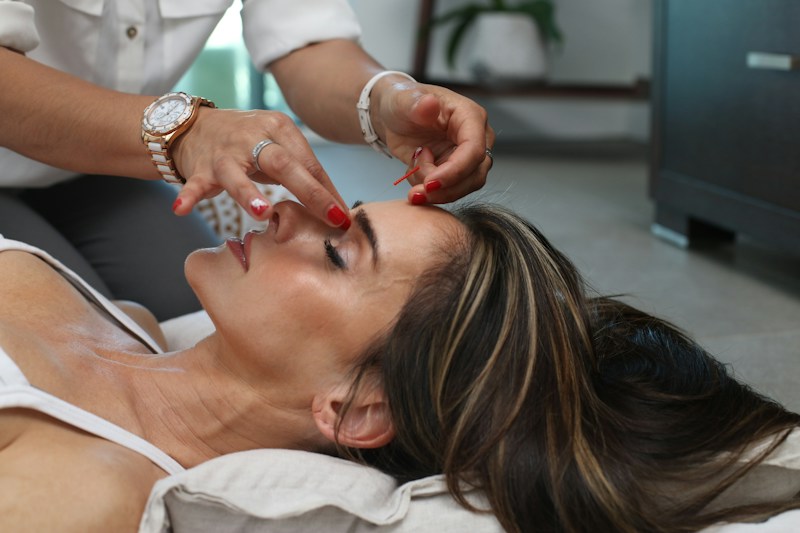
- Injection (5 to 15 minutes): The doctor injects small amounts of filler along the bridge, at the radix, or near the tip using a fine needle or blunt-tipped cannula. Cannulas reduce the risk of vascular injury.
- Molding and assessment: The injector gently shapes the filler and checks symmetry. You can watch in a mirror and provide feedback in real time.
- Aftercare instructions: You receive guidelines on what to avoid -- typically no heavy exercise, alcohol, or saunas for 24 to 48 hours.
Total time in the clinic is usually 30 to 45 minutes. There is no downtime. Most patients return to normal activities immediately, though mild swelling or bruising at the injection site can last one to three days.
Nose Filler Prices in Korea (2025-2026)
One of the biggest draws of getting nose filler in Korea is the price. Costs are significantly lower than in the United States, Europe, or Australia -- even at top clinics staffed by board-certified specialists.
| Treatment | Price in KRW | Price in USD (approx.) |
|---|---|---|
| Korean HA filler (1 syringe) | 150,000 - 250,000 | $115 - $190 |
| Juvederm Voluma (1 syringe) | 400,000 - 720,000 | $310 - $555 |
| Restylane Lyft (1 syringe) | 350,000 - 770,000 | $270 - $590 |
| Radiesse (1 syringe) | 300,000 - 500,000 | $230 - $385 |
| HIKO nose thread lift + filler combo | 1,000,000 - 1,500,000 | $770 - $1,155 |
Most patients need one syringe for the nose bridge, though cases involving both bridge and tip refinement may require 1.5 to 2 syringes. By comparison, the same procedure in the United States typically costs $800 to $1,500 per syringe -- meaning Korea often delivers the same quality at one-third to one-half the price.
Many clinics in Gangnam and Apgujeong offer package pricing and free consultations for international patients. Some even include airport pickup and multilingual coordinators.
Safety Considerations and Risks
Nose filler is generally safe when performed by a qualified, experienced practitioner. However, the nose is one of the highest-risk areas on the face for filler injections because of its dense network of blood vessels.
Vascular Occlusion -- The Most Serious Risk
Vascular occlusion occurs when filler is accidentally injected into or compresses a blood vessel, blocking blood flow. In the nose, this can lead to:
- Skin necrosis (tissue death) on the nose
- Blindness -- the dorsal nasal artery connects to the ophthalmic artery, and retrograde flow of filler can block blood supply to the retina
- Cerebral infarction (stroke) -- in extremely rare cases
A large-scale study of over 290,000 cases found the overall incidence of severe filler complications at approximately 0.004%, but the nose and glabellar (between-the-brows) region account for a disproportionate share of these events.
How Korean Clinics Minimize Risk
- Aspiration before injection -- pulling back on the syringe to check for blood
- Use of blunt-tipped cannulas -- these push blood vessels aside rather than piercing them
- Slow, small-volume injections -- reducing pressure and the chance of intravascular entry
- HA filler preference -- allowing immediate dissolution with hyaluronidase if warning signs appear
- Having hyaluronidase on hand -- responsible clinics keep this reversal agent readily available
Other Possible Side Effects
- Temporary swelling, redness, or bruising (common, resolves in 1 to 3 days)
- Mild tenderness at injection sites
- Asymmetry requiring touch-up
- Filler migration over time (rare with proper technique)
- Infection (very rare with sterile technique)
- Tyndall effect -- a bluish discoloration if HA filler is placed too superficially
Red Flags to Watch for After Treatment
If you experience severe pain, white or blue discoloration of the skin on or around your nose, or any change in vision after your procedure, seek immediate medical attention. These are signs of possible vascular occlusion and require emergency treatment within 60 to 90 minutes for the best outcome.
How Long Do Results Last?
- HA fillers: 9 to 18 months depending on the product and your metabolism
- Radiesse: 12 to 18 months
- Touch-up sessions every 9 to 12 months can maintain your results long-term
Many patients find that with repeated treatments, results begin to last longer as residual filler and stimulated collagen provide a foundation.
Tips for International Patients
- Book a consultation before your trip -- many Seoul clinics offer free online video consultations in English, Chinese, or Japanese
- Choose a board-certified specialist -- look for a dermatologist or plastic surgeon, not a general practitioner
- Ask about the filler brand -- confirm they use FDA- or MFDS-approved products
- Request a blunt cannula if available -- it reduces vascular risk
- Check clinic reviews on Korean platforms like Gangnam Unni, Modoodoc, or Goodoc for real patient feedback
- Avoid heavy schedules for 24 hours -- while there is no formal downtime, you may have minor swelling
Frequently Asked Questions
Is nose filler painful?
Most patients describe it as mild pressure or a pinching sensation. Topical numbing cream and lidocaine in the filler keep discomfort minimal. The entire injection takes only 5 to 15 minutes.
Can nose filler be reversed?
Yes -- if hyaluronic acid filler is used, it can be dissolved with hyaluronidase injections, usually within 24 hours. This is one of the main advantages of HA fillers over other types.
How soon will I see results?
Results are visible immediately. There may be slight swelling for 1 to 3 days, after which the final shape settles.
Is nose filler safer than rhinoplasty surgery?
Filler avoids the risks of general anesthesia, incisions, and prolonged recovery. However, it carries its own specific risk -- vascular occlusion -- which, although very rare, can be serious. Both options are safe when performed by qualified professionals.
Can I combine nose filler with other treatments on the same visit?
Yes. Many patients combine nose filler with chin filler, lip filler, or Botox for jawline slimming during a single clinic visit. Your doctor can advise on a treatment plan that addresses your full facial balance.
How do I choose between filler and surgical rhinoplasty?
If you want subtle refinement -- a higher bridge, smoother profile, or minor correction -- filler is an excellent choice. If you need structural changes like narrowing the nostrils, reducing overall size, or reshaping the cartilage, surgery is more appropriate. Many Korean clinics offer both and can guide you honestly.
Medical Disclaimer: This article is for informational purposes only and does not constitute medical advice. Nose filler injections carry risks including but not limited to vascular occlusion, skin necrosis, vision impairment, infection, and allergic reaction. The nose is considered a high-risk injection zone. Always consult with a board-certified dermatologist or plastic surgeon before undergoing any cosmetic procedure. Individual results vary. The prices listed are approximate and may change depending on clinic, filler brand, and treatment complexity.