PRP Facial Treatment in Korea: Vampire Facial Guide, Prices & Best Clinics
If you have been researching ways to rejuvenate your skin naturally, you have likely come across the PRP facial — also known as the "vampire facial." Made famous by celebrities like Kim Kardashian, this treatment uses your own blood to stimulate collagen production, improve skin texture, and reduce scarring. Korea, with its world-class dermatology infrastructure, is one of the best places on the planet to get a PRP facial at a fraction of Western prices.
In this guide, we cover everything international visitors need to know about getting a PRP facial treatment in Korea: how it works, what it costs, how it compares to other popular Korean skin boosters, and which Seoul clinics offer the best experience for foreigners.
What Is a PRP Facial?
PRP stands for Platelet-Rich Plasma. It is a regenerative skincare treatment that harnesses your body's own healing mechanisms to rejuvenate the skin. In Korean dermatology, PRP is referred to as "자가혈 PRP" (autologous blood PRP), emphasizing that it uses the patient's own blood — which virtually eliminates the risk of allergic reactions or rejection.
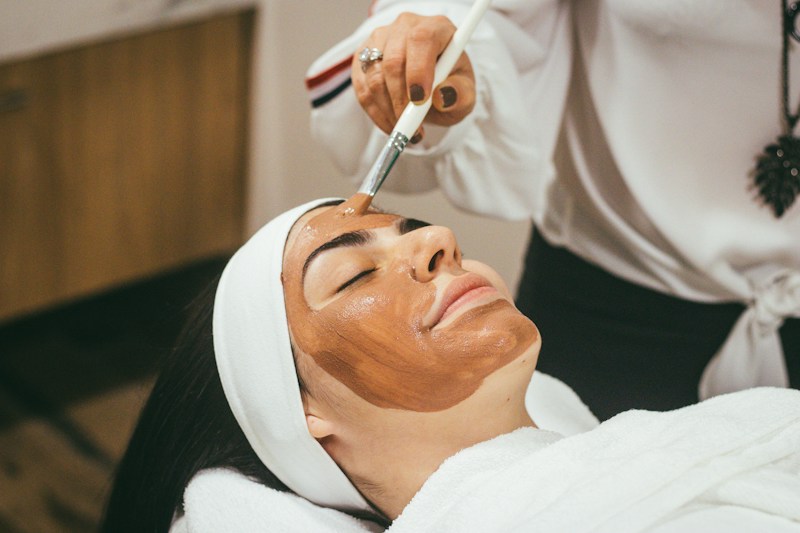
The "vampire facial" nickname comes from the blood-draw process. A small amount of your blood is taken, processed to isolate the platelet-rich plasma, and then applied back into your skin through micro-injections or microneedling. The concentrated growth factors in PRP stimulate cellular repair, boost collagen and elastin production, and promote deep skin regeneration.
How PRP Works: The Science Behind the Treatment
The PRP process relies on the growth factors naturally present in your blood platelets. Here is a simplified breakdown:
- Blood Draw: A small sample of blood (typically 10-20 ml) is drawn from your arm, similar to a routine blood test.
- Centrifugation: The blood is placed in a centrifuge that spins at high speed, separating it into three layers — red blood cells, platelet-poor plasma, and platelet-rich plasma.
- PRP Extraction: The golden-colored platelet-rich plasma layer is carefully extracted. This concentrated serum contains 3 to 5 times the normal concentration of growth factors.
- Re-application: The PRP is either injected directly into target areas using fine needles, or applied topically after microneedling (MTS) to allow the growth factors to penetrate deep into the skin.
This process triggers your skin's natural wound-healing response, stimulating new collagen synthesis and tissue remodeling from the inside out.
Benefits of PRP Facial Treatment
PRP therapy is valued for its wide range of skin benefits, all achieved using your body's own resources:
- Collagen stimulation: Promotes new collagen and elastin production for firmer, more elastic skin
- Fine lines and wrinkle reduction: Smooths out early signs of aging
- Acne scar improvement: Helps fill in pitted and depressed acne scars by stimulating new tissue growth
- Pore size reduction: Tightens enlarged pores through skin regeneration
- Skin tone and texture improvement: Evens out dullness and rough texture for a brighter, smoother complexion
- Post-laser recovery: Korean dermatologists frequently use PRP after laser treatments to accelerate healing and enhance results
- Minimal allergy risk: Since it uses your own blood, the risk of adverse reactions is extremely low
Results typically begin appearing 2 to 4 weeks after treatment, with peak improvements visible around the 3-month mark as collagen remodeling reaches full effect.
PRP vs Other Korean Skin Boosters
Korea offers a dizzying array of injectable skin treatments. Here is how PRP compares to the most popular alternatives:
| Factor | PRP | Rejuran (PDRN) | HA Skin Boosters |
|---|---|---|---|
| Source | Your own blood | Salmon DNA (polynucleotides) | Hyaluronic acid |
| Mechanism | Growth factors stimulate healing | PN stimulates cellular regeneration | Hydration and volume |
| Best for | Acne scars, pigmentation, overall rejuvenation | Elasticity loss, dullness, barrier repair | Dehydrated skin, fine lines |
| Consistency | Variable (depends on blood quality) | Standardized, predictable | Standardized |
| Sessions needed | 3-5 sessions | 3-4 sessions | 3-4 sessions |
| Results duration | 6-12 months | 6-12 months | 4-6 months |
| Price per session (Seoul) | $230-$460 | $180-$275 | $150-$300 |
| Allergy risk | Near zero | Very low | Very low |
When to choose PRP: If you want a completely natural treatment using your own biological resources, or if you are targeting acne scars and pigmentation issues. PRP is also an excellent add-on to laser and microneedling treatments.
When to choose Rejuran: If your main concerns are loss of elasticity, dullness, or compromised skin barrier. Rejuran offers more standardized, predictable results.
When to combine: Many Korean clinics offer combination protocols — PRP with microneedling, or PRP followed by Rejuran — for patients who want comprehensive skin renewal.
PRP Facial Price Comparison: Seoul vs United States
One of the biggest advantages of getting PRP in Korea is the cost savings. Korean clinics offer world-class treatment at significantly lower prices than Western countries.
| Treatment Type | Seoul, Korea | United States | Savings |
|---|---|---|---|
| Standard PRP Facial | ₩300,000-₩600,000 ($230-$460) | $750-$1,500 | 50-70% |
| PRP + Microneedling | ₩250,000-₩500,000 ($190-$385) | $600-$1,200 | 55-68% |
| PRP + Laser Combo | ₩400,000-₩800,000 ($310-$615) | $1,000-$2,000 | 60-70% |
| Vampire Facelift (PRP + Fillers) | ₩900,000-₩2,500,000 ($690-$1,920) | $1,500-$3,500 | 45-55% |
| 3-Session PRP Package | ₩700,000-₩1,500,000 ($540-$1,150) | $2,000-$4,000 | 65-72% |
Prices as of February 2026. Exchange rate: ₩1,300 = $1 USD. Actual costs vary by clinic, treatment area, and individual needs. Contact clinics directly for current pricing.
Multi-session packages are common in Korea and can significantly reduce the per-session cost. Most clinics recommend 3 to 5 sessions spaced 2 to 3 weeks apart for optimal results.
The Treatment Process: Step by Step
Here is what to expect when you visit a Seoul dermatology clinic for a PRP facial:
Step 1: Consultation (15-20 minutes)
Your dermatologist will examine your skin, discuss your concerns and goals, and determine whether PRP is appropriate for you. Many foreigner-friendly clinics offer English-speaking staff or interpreters.
Step 2: Numbing Cream Application (20-30 minutes)
A topical anesthetic cream is applied to the treatment area to minimize discomfort during the procedure.
Step 3: Blood Draw (5 minutes)
A small amount of blood (about 10-20 ml) is drawn from your arm — no more than a routine blood test.
Step 4: Centrifugation (10-15 minutes)
Your blood is processed in a centrifuge to separate and concentrate the platelet-rich plasma.
Step 5: PRP Application (20-30 minutes)
The PRP is applied through micro-injections, microneedling, or a combination of both, depending on your treatment plan.
Step 6: Post-Treatment Care
The clinic will apply soothing serums and sunscreen. You will receive aftercare instructions before leaving.
Total treatment time: Approximately 60 to 90 minutes from start to finish.
Recovery and Results Timeline
PRP is known for its relatively gentle recovery profile:
- Day 1-2: Mild redness, slight swelling, and possible pinpoint bleeding at injection sites. Similar to a mild sunburn.
- Day 3-5: Redness fades. You can resume most normal activities and apply light makeup.
- Week 1-2: Skin may feel slightly dry as it regenerates. Keep the area well moisturized and use sunscreen diligently.
- Week 2-4: Initial improvements become visible — brighter skin tone, improved texture.
- Month 1-3: Collagen remodeling continues. Skin firmness and scar improvement become more noticeable.
- Month 3-6: Peak results. Full collagen regeneration and maximum visible improvement.
Maintenance: Results generally last 6 to 12 months. Most dermatologists recommend maintenance sessions every 6 to 12 months to preserve results.
Best Clinics for PRP in Seoul
These Seoul clinics are known for quality PRP treatments and English-language support for international patients:
1. Forena Clinic (Hongdae)
- Location: 3 minutes from Hongik University Station
- Specialty: Regenerative treatments including PRP and stem cell therapy
- English Support: Yes
- Why visit: Trusted by international patients and celebrities; premium regenerative treatment protocols
2. Gangnam Nest Skin Clinic (Gangnam)
- Location: Gangnam district
- Specialty: PRP therapy combined with laser and microneedling
- English Support: Yes
- Why visit: Competitive pricing with high-quality equipment; popular with medical tourists
3. Hongdae Kleam Clinic (Hongdae)
- Location: Central Hongdae area
- Specialty: PRP injections and vampire facials
- English Support: Yes
- Why visit: Modern facility using latest centrifugation technology and sterile protocols
4. CNP Skin Clinic (Multiple locations)
- Location: Branches across Seoul
- Specialty: PRP combined with anti-aging programs
- English Support: Available at select branches
- Why visit: Well-established chain with consistent quality standards
Tip for international visitors: Book a consultation before your trip via email or the clinic's website. Many foreigner-friendly clinics offer online consultations, airport pickup, and package deals that include multiple sessions.
Frequently Asked Questions
Q: Is PRP facial painful? A: Most patients describe the discomfort as mild. Numbing cream is applied before the procedure, and the blood draw is similar to a routine blood test. During the PRP application, you may feel slight prickling from the micro-injections.
Q: How many sessions do I need? A: Most Korean dermatologists recommend 3 to 5 sessions spaced 2 to 3 weeks apart for optimal results, followed by maintenance sessions every 6 to 12 months.
Q: Who should avoid PRP treatment? A: PRP is not recommended for individuals with blood disorders (such as thrombocytopenia), those taking blood thinners like aspirin, pregnant or breastfeeding women, or those with active skin infections at the treatment site.
Q: Can I combine PRP with other treatments? A: Yes. Korean clinics commonly combine PRP with microneedling, laser treatments, or Rejuran for enhanced results. Your dermatologist will recommend the best combination for your skin concerns.
Q: How soon can I fly after PRP treatment? A: You can typically fly the same day or the next day. There is no significant downtime, though your skin may appear slightly red for 1 to 2 days.
Q: Is PRP scientifically proven? A: PRP has substantial clinical evidence supporting its benefits for skin rejuvenation, scar improvement, and wound healing. However, some dermatologists note that individual results can vary depending on the patient's blood quality and overall health. Always consult with a qualified professional.
Final Thoughts
PRP facial treatment in Korea offers a unique opportunity to harness your body's own regenerative power at some of the most advanced dermatology clinics in the world — at a fraction of what you would pay in the United States or Europe. Whether you are targeting acne scars, fine lines, or simply want a natural glow-up, the vampire facial remains one of the most popular treatments among international visitors to Seoul.
Ready to book your PRP facial in Korea? Start by contacting a foreigner-friendly clinic for an online consultation, and plan your sessions around your travel dates for the best results.
Medical Disclaimer: This article provides general information about PRP facial treatments and is not intended as medical advice. Individual results vary, and PRP may not be suitable for everyone. Always consult with a qualified healthcare professional before undergoing any medical or cosmetic procedure. The information in this guide should not be used as a substitute for professional medical consultation.
Prices as of February 2026. Actual costs may vary by clinic, treatment area, and individual needs. Exchange rates fluctuate — contact clinics directly for current pricing.
Last Updated: February 19, 2026 Reading Time: 8 minutes